Mini Round Baler Buyer's Guide: What to Look For in a Small Baler
Bale size, tractor power, twine versus net, build quality and running costs — how to choose a mini round baler that suits a hobby farm or small acreage.
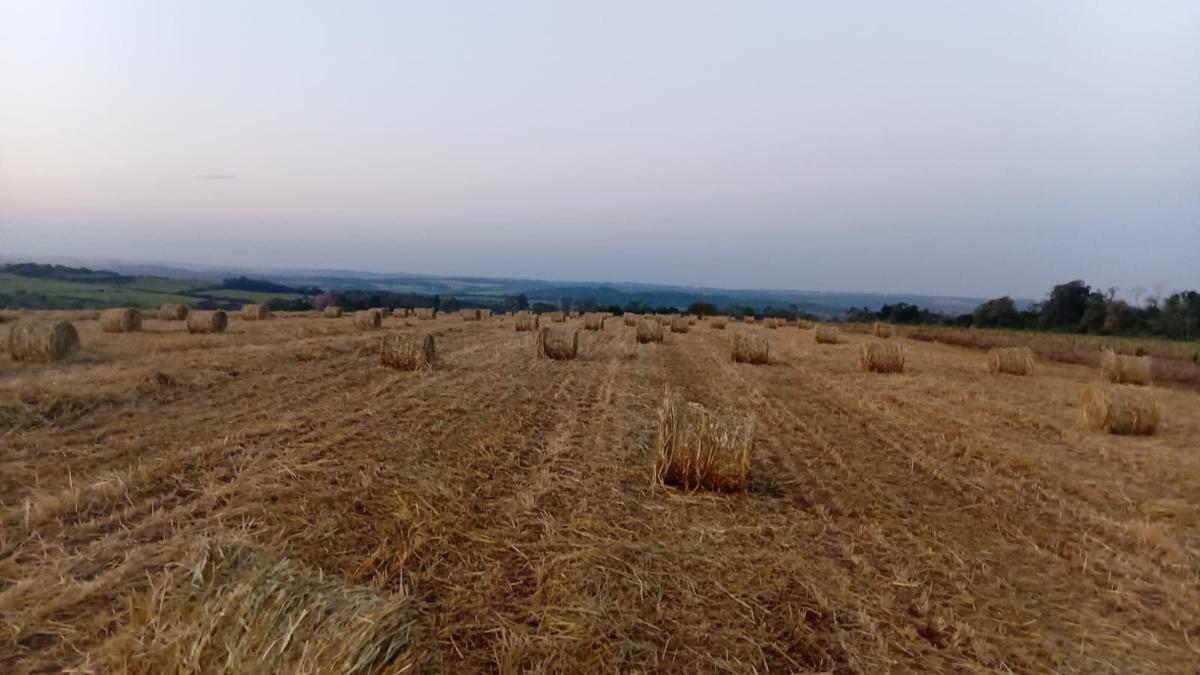
A mini round baler is the machine that makes small-scale hay making viable. It turns a paddock you were slashing anyway into feed you can store, feed out, or sell. But small balers vary a lot, and the specs that matter are not always the ones on the sticker.
Here is what to actually compare.
1. Bale size and weight
This is the first decision, because it drives everything else.
A 60 × 70 cm round bale weighs roughly 25–35 kg depending on crop and density. That is deliberate: one person can roll it, lift it into a ute, and feed it out without a tractor and spike. Full-size rounds at 300–500 kg need machinery at every step, including at the buyer's end.
Small bales also sell well. Horse owners, alpaca and goat keepers, and hobby farms without loaders are the natural market, and they pay a premium per kilo for a bale they can actually handle.
Ask yourself who is lifting the bale at the other end. If the answer is "a person", buy small.
2. Tractor power required
Most mini round balers want 20 hp and up at the PTO. Our Mini Round Baler — 60 × 70 cm is rated 20–65 hp on a standard 540 rpm PTO with a T4 six-spline driveshaft.
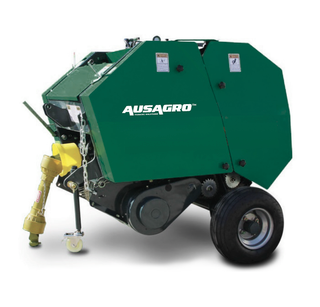
Two things to check on your own tractor:
- PTO speed. 540 rpm is the standard for this class. A 1000 rpm-only PTO is a problem.
- Three-point linkage category. Small implements are usually CAT 1; heavier ones such as our 1.65 m drum mower are CAT 2.
More detail on matching a tractor is in How much tractor do you need to run a mini baler?
3. Twine or net wrap
Twine balers tie the bale with 20–30 m of string per bale. Net-wrap balers wrap the barrel of the bale in a mesh.
Net wraps faster, sheds water better, and holds bale shape more tightly. Twine costs less per bale and biodegradable jute options exist. Neither is wrong; it depends on how long the bale sits outside and what your buyers expect.
We build both: the Mini Round Baler 60 × 70 cm ties with twine, and the Mini Round Net Baler — 60 × 70 cm wraps with net. There is a full comparison in Twine vs net wrap.
4. Throughput
A mini baler in the 60 × 70 cm class should manage around 80–100 bales per hour at about 5 km/h in a decent windrow. In practice, windrow consistency limits you more than the machine does — a lumpy rake job will halve your effective rate no matter what the brochure says.
For planning: 90 bales an hour at 30 kg is roughly 2.7 tonnes an hour. Most small-block cuts are done in a morning.
5. Build details that matter
- Chamber drive. Belt or chain, and whether spares are stocked locally.
- Pickup tines. These are consumables. Check they are sold as a pack and are not proprietary.
- Clutch. A slip clutch protects the driveline when you feed a lump. Confirm a replacement disc is available.
- Hydraulics. Integrated hydraulic bale ejection is worth having; manual latch systems get old fast.
- Finish. Baked enamel anti-corrosion paint survives an Australian shed better than thin powder coat.
- Certification. CE and ISO 9001 marks tell you the factory has an audited process behind it.
6. Parts and backup — the question people forget
The cheapest baler in the country is expensive if a broken tine costs you a four-day weather window. Before you buy, ask a very specific question: if I break X on a Thursday, when does the replacement land?
We hold consumables and wear parts in Australia — pickup tines, clutch discs, maintenance kits, twine and net — because that is the difference between a machine and a paperweight during hay season.
7. Total cost, not sticker cost
Budget for:
- The baler itself.
- Consumables: twine or net, per bale.
- Wear parts: tines, belts, blades over a season.
- Freight to your nearest depot.
- The tractor, if you do not have one.
Bundling helps here. The Hay Maker Package pairs the baler with a matched mower and rake-tedder, and our combo packages cover the common pairings.
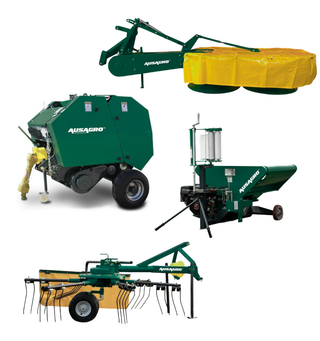
Our small balers side by side
| Mini Round Baler 60 × 70 | Mini Round Net Baler 60 × 70 | Mini Round Hay Baler PRO | |
|---|---|---|---|
| Bale size | 60 × 70 cm | 60 × 70 cm | Compact round |
| Tying | Twine | Net wrap | Twine |
| Tractor | 20–65 hp, 540 rpm PTO | 20–65 hp, 540 rpm PTO | 20 hp+ |
| Bale weight | 25–35 kg | 25–35 kg | Comparable |
| Best for | Lowest cost per bale, feeding out on farm | Bales stored outside or sold on | Operators wanting a heavier-duty twine machine |
All three carry a 12-month warranty.
The short version
Buy for the bale size your buyers can lift, check your PTO speed and linkage category before anything else, decide twine versus net on how the bales will be stored, and confirm that wear parts are held in the country. Everything else is detail.
Related reading: How to make hay on a small property · Hay season maintenance checklist
Browse the full range on our machinery page, or talk to us about your block.
Ready to make your own hay?
Small-farm balers, mowers and rakes built for acreage and hobby farms — delivered right across Australia, backed by a 12-month warranty and local service.
More guides
- How-tos5 min readHay Season Checklist: Servicing Your Baler, Mower and Rake Before You Cut
- How-tos4 min readTwine vs Net Wrap: Which Is Right for Small Bales?
- How-tos4 min readHow Much Tractor Do You Need to Run a Mini Baler?