Twine vs Net Wrap: Which Is Right for Small Bales?
Cost per bale, weather resistance, bale shape, feed-out and machine compatibility — a straight comparison for anyone making 60 × 70 cm round bales.
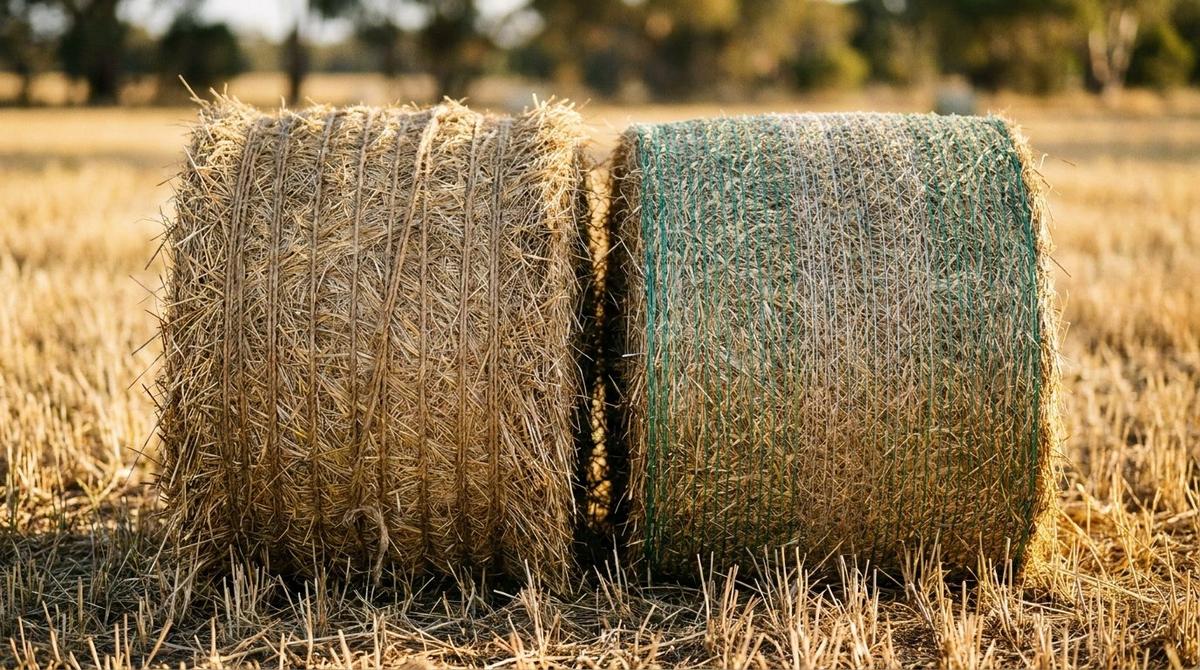
Every mini round baler ties its bales one of two ways: twine or net wrap. People have firm opinions about both, and most of those opinions are really about where the bales end up sitting.
Here is the honest comparison.
How each one works
Twine is wound around the barrel of the bale in a spiral as the chamber turns. A 60 × 70 cm bale takes roughly 20–30 m of twine. The bale surface stays exposed between the wraps.
Net wrap is a wide mesh pulled across the full width of the bale in two or three turns. It covers the barrel almost completely, and it does it in a few seconds rather than a full wrapping cycle.
Speed
Net wins clearly. Wrapping is a two-to-three-turn operation versus a full spiral of twine, which shortens the dwell time at the end of every bale. Across a few hundred bales in a tight weather window, that adds up to real time in the paddock.
If your limiting factor is daylight rather than dollars, net is the faster machine.
Cost per bale
Twine wins. Twine is the cheaper consumable per bale, and the gap is meaningful once you are making hundreds of bales a season.
We stock synthetic baling twine, organic jute twine in 600 m rolls and net wrap rolls, so you can price the exact combination you would use.
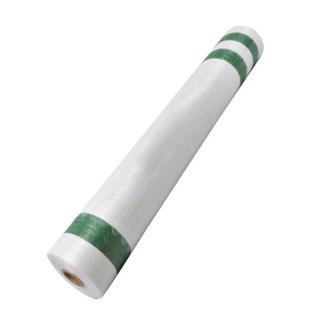
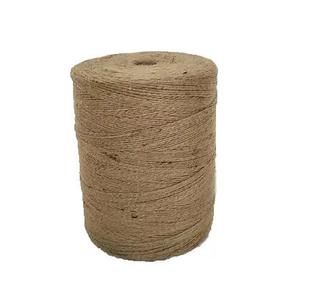
Work it out per bale, not per roll — a big roll of net looks expensive next to a spool of twine until you divide by the bale count.
Weather resistance and storage
Net wins, and this is usually the deciding factor.
Because net covers most of the bale surface, water runs off rather than soaking into the exposed hay between twine wraps. A netted bale stored outside sheds rain noticeably better and holds less spoilage on the outer layer.
If every bale goes straight into a shed, that advantage largely disappears and twine is fine.
Bale shape and density
Net holds the bale tighter and rounder, which matters if bales are handled a lot, stacked high, or transported. Twined bales are perfectly stable but will relax slightly more over time, particularly in coarser, stemmier crops.
Feed-out and cleanup
Twine is easier to deal with at feed-out: cut it, pull it, coil it. Net has to be cut and peeled off in one sheet and it is bulkier to store before disposal.
Both must be removed completely before feeding. Livestock ingesting either is a genuine veterinary problem — plastic twine and net do not break down in a rumen.
If that concerns you, biodegradable jute twine is the only option here that composts. It is the choice we most often recommend to smaller operations feeding their own animals.
Selling bales
Buyers notice. Horse owners in particular often prefer netted bales because they store better outside and hold shape in transport. If you are selling into that market, net can be worth the extra cost per bale.
If you are feeding your own stock out of a shed, nobody is grading your bales but you.
Machine compatibility
You cannot swap freely between the two — the baler is built for one or the other.
- The Mini Round Baler — 60 × 70 cm ties with twine.
- The Mini Round Net Baler — 60 × 70 cm wraps with net.
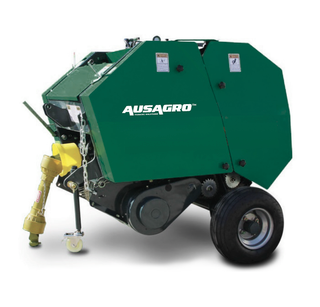
Both take 20–65 hp on a 540 rpm PTO and both make the same 60 × 70 cm bale, so the choice is genuinely about the tying method rather than a compromise elsewhere.
Side by side
| Twine | Net wrap | |
|---|---|---|
| Cost per bale | Lower | Higher |
| Wrapping speed | Slower | Faster |
| Outdoor storage | Fair | Better |
| Bale shape retention | Good | Better |
| Feed-out cleanup | Easier | Bulkier |
| Biodegradable option | Yes (jute) | No |
| Our machine | Mini Round Baler | Mini Round Net Baler |
So which should you buy?
Choose twine if your bales go into a shed, you feed your own stock, you want the lowest running cost, or you want a biodegradable option.
Choose net if bales sit outside, you sell hay on, you handle and transport bales a lot, or you are racing a short weather window every season.
Neither is a mistake. Just make the call before you buy the baler, because the tying method is built into the machine.
Related reading: Mini round baler buyer's guide · How to add a new roll of twine to your baler
We stock twine, jute and net in Australia — see consumables and spare parts.
Ready to make your own hay?
Small-farm balers, mowers and rakes built for acreage and hobby farms — delivered right across Australia, backed by a 12-month warranty and local service.
More guides
- How-tos5 min readHay Season Checklist: Servicing Your Baler, Mower and Rake Before You Cut
- How-tos4 min readHow Much Tractor Do You Need to Run a Mini Baler?
- How-tos5 min readMini Round Baler Buyer's Guide: What to Look For in a Small Baler